
When Targeting New Markets, Don’t Alienate Your Core Audience in the Process
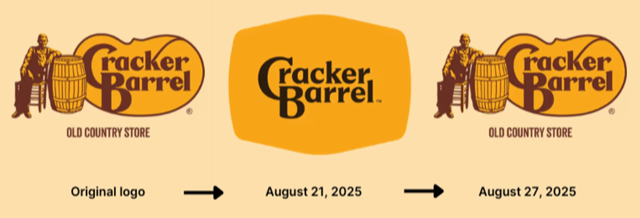
It was just two weeks ago when Cracker Barrel tried to reinvent itself. Hoping to win over a younger, more digital-savvy audience, the restaurant chain rolled out modernized interiors, trendy décor, and a stripped-down, text-only logo that removed the company’s most recognizable figure —“Uncle Herschel” leaning on a barrel.
The move was meant to signal a fresh start and broaden Cracker Barrel’s appeal beyond its loyal, older customer base. Instead, it ignited a firestorm. Customers decried the loss of nostalgia, calling the new look “soulless.” Political voices weighed in, turning the redesign into a cultural flashpoint. The company’s stock dropped by nearly $100 million in days. Within a week, Cracker Barrel reversed course, reinstating its classic logo and issuing an apology.
This misstep highlights a crucial lesson for every brand: when targeting new markets, don’t alienate your core audience in the process.
Loyalty Is Earned, Not Disposable
Core customers aren’t just revenue streams — they’re the foundation of a brand’s identity. Cracker Barrel’s long-standing fans were attracted not just by food, but by the warm, nostalgic experience symbolized in its logo and décor. When that identity was stripped away, it felt like a betrayal.
Nostalgia Is a Strategic Asset
Brands that endure tap into powerful emotions. The original Cracker Barrel imagery conveyed tradition, comfort, and authenticity. By abandoning it, the company discarded one of its strongest competitive advantages in favor of a generic look with little staying power.
Evolution, Not Revolution
Reaching new customers requires adaptation, but it should build on existing strengths, not erase them. Successful examples — like Dunkin’, dropped “Donuts” from its name but kept the same colors and typeface, maintaining familiarity while signaling relevance. Likewise, when Kentucky Fried Chicken subtly became known as KFC, and eradicated any association to “Fried.” By contrast, Cracker Barrel’s radical shift felt abrupt, disconnected, and unnecessary.
Modern Risks Require Careful Balance
In today’s digital landscape, changes are instantly amplified. What might have once been a subtle experiment became a global debate within hours. Cracker Barrel’s case shows that neglecting brand heritage isn’t just a design decision — it’s a reputational risk.
The Takeaway
Growth is essential, but it must be rooted in the values that built customer trust in the first place. Targeting new audiences doesn’t mean abandoning the ones who made you successful.
Cracker Barrel’s reversal is a cautionary tale for brands everywhere: expansion is wise, but never at the expense of your core.